Dehydration and Muscle Cramps: Why Summer Is Peak Season for Physiotherapy Visits
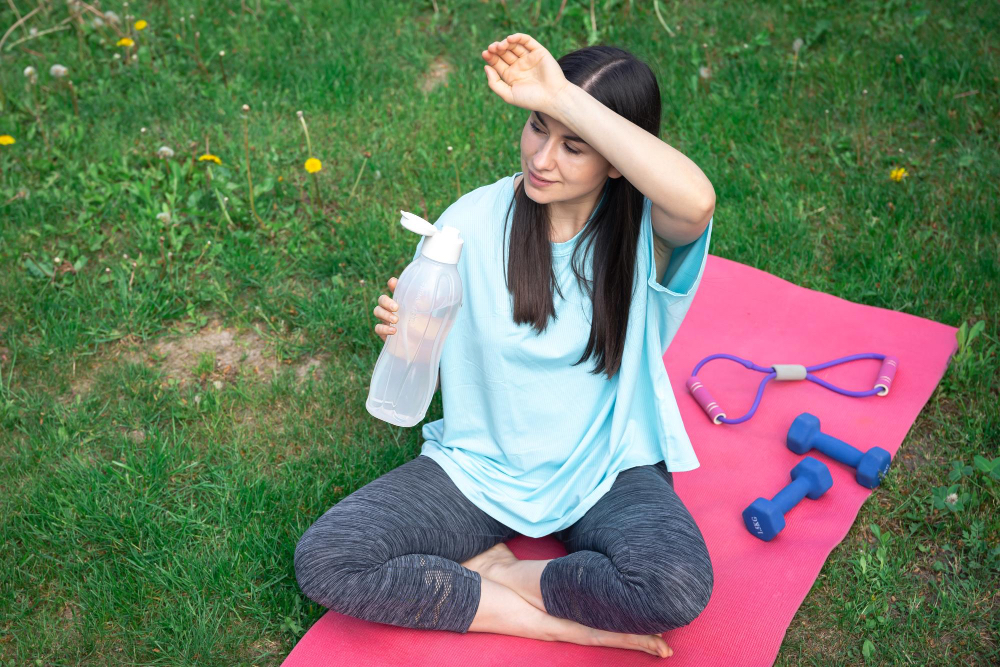
Summer brings longer days, higher temperatures and a noticeable increase in physical fatigue.
At PhysioActive, one of the most common complaints during this season is muscle cramping. From calf tightness after a walk to sudden cramps during workouts or even stiffness after sitting for long hours, dehydration often plays a bigger role than people realise.
Why Do Muscle Cramps Increase During Summer?
In Pune's summer heat, where temperatures regularly cross 38–40°C, the body loses fluids and electrolytes far faster than most people realise. When these are not replaced, nerve-to-muscle communication breaks down, triggering sudden muscle contractions, commonly known as cramps.
Unlike general muscle soreness, cramps tend to appear suddenly and can feel sharp, tight or difficult to release. They are especially common in the calves, feet, thighs and sometimes even the neck or back.
At PhysioActive, we often see muscle cramps increase in people who spend long hours outdoors, exercise intensely or do not hydrate consistently throughout the day.
It's Not Just Athletes Who Are Affected
A common misconception is that dehydration-related muscle issues only affect athletes or people who work out regularly. In reality, office workers, students and older adults are equally vulnerable during summer.
Air-conditioned indoor environments can sometimes reduce the sensation of thirst, leading people to drink less water than their bodies actually need. Long sitting hours, reduced movement and poor posture can further increase muscle tightness.
By the end of the day, this combination often results in stiffness, calf cramps or discomfort while walking or stretching.
PhysioActive Tip: Keep a water bottle at your desk and aim for at least 3–3.5 litres through the day, not just during or after activity.
How Physiotherapy Helps
Recurring muscle cramps are not always just about hydration. In some cases, underlying muscle tightness, reduced flexibility or poor movement patterns may also contribute to the problem.
This is where physiotherapy becomes important.
At PhysioActive, physiotherapists assess muscle mobility, posture, movement quality and physical strain patterns to identify why cramps are happening repeatedly. Treatment is designed not just to relieve symptoms but also to improve how the body moves and recovers. Most patients experiencing recurring cramps see noticeable improvement within 2–3 sessions once the root cause is identified.
Depending on the individual's condition, physiotherapy may include stretching therapy, muscle release techniques, mobility training and guided strengthening exercises. Patients are also educated about hydration, recovery and activity modification during hot weather.
Signs to Watch For & How to Prevent Cramps
Occasional cramps can happen during hot weather, but repeated episodes may indicate that the muscles are under excessive stress.
If you frequently experience muscle cramps during sleep, after minimal activity or alongside ongoing tightness and fatigue, it may be time for a professional assessment.
Persistent muscle discomfort should not be ignored, especially if it starts affecting exercise, walking or daily movement.
Simple daily habits can reduce the risk of dehydration-related cramps significantly:
- Drink water consistently throughout the day — this is more effective than consuming large amounts at once.
- If you sweat heavily during workouts or outdoor activity, consider electrolyte replacement.
- Stretch regularly and allow adequate recovery between sessions.
- Avoid excessive physical exertion during peak afternoon heat.
Stay Active This Summer with PhysioActive
Summer places extra stress on the body, especially on muscles that are already overworked or tight. Understanding the connection between dehydration and muscle cramps can help prevent pain before it becomes a bigger issue.
At PhysioActive, we focus on movement-based physiotherapy that supports recovery, mobility and long-term physical health.
If recurring cramps, stiffness or muscle fatigue are affecting your routine, book an assessment at PhysioActive and keep your body moving comfortably through the summer.
Related Services

Sports Injury Rehabilitation
Performance-based recovery for athletes and active individuals.
Spine Physiotherapy
Treatment for neck pain, back pain, disc issues and posture-related problems.
Knee & Ankle Physiotherapy
Rehabilitation for ligament injuries, sprains, arthritis and mobility issues.
Shoulder Physiotherapy
Relief for rotator cuff injuries, frozen shoulder and overhead pain.

Post-Operative Physiotherapy
Structured rehab after ACL, joint replacement and other surgeries.
Posture & Foot Scan Analysis
Digital posture analysis and customised foot scan assessments.

Tele-Rehabilitation
Online physiotherapy sessions with guided exercises and progress tracking.
Dry Needling
Targeted muscle pain relief using fine needles for trigger point therapy.