Dry Needling at Physio Active
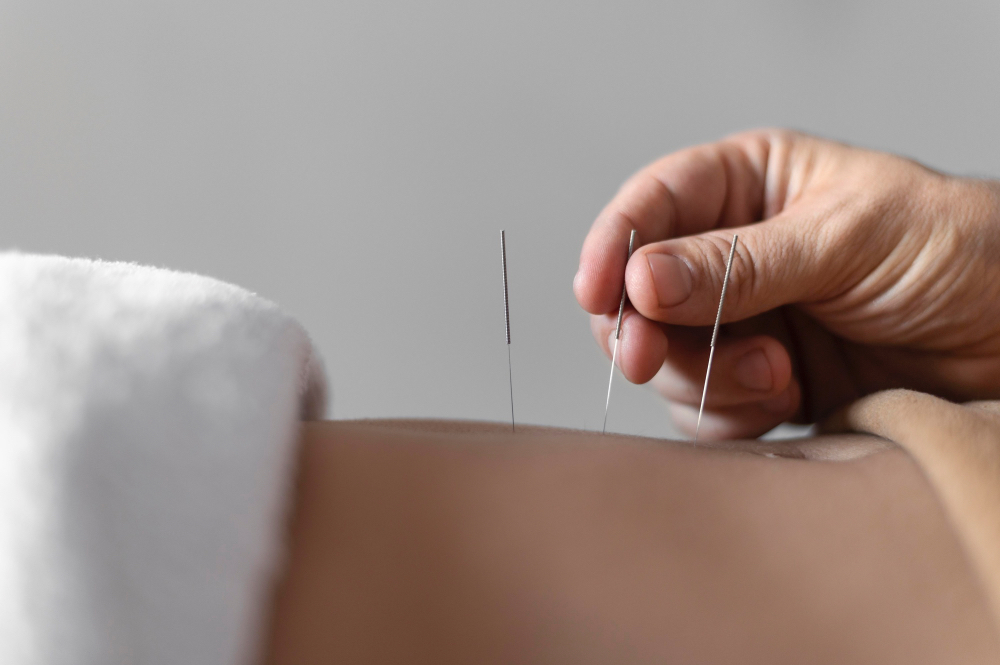
Dry needling is a modern physiotherapy treatment used to reduce muscle pain and release tight areas in the body. At Physio Active, we use dry needling as part of a complete physiotherapy plan to help patients recover faster and move better.
If you are dealing with heel pain, calf tightness, neck stiffness or chronic muscle discomfort, dry needling at Physio Active may help you.
What Is Dry Needling?
Dry needling is a technique where a very thin, sterile needle is inserted directly into a tight muscle. The goal is to release muscle tension, improve blood flow and reduce pain.
The needle goes into the muscle and may cause a slight twitch or mild prick sensation. Some patients feel a little heaviness in the area. This is completely normal. The procedure is very quick and generally pain-free when done by a trained physiotherapist.
At Physio Active, patient comfort and safety are always our priority.
How Dry Needling Helps: A Real Example
Let us understand this with a common case.
A patient comes in with heel pain. Many times, heel pain is not just about the heel. There is a muscle that connects from the heel to the calf. When this muscle becomes tight, it increases pressure on the heel.
In such cases, instead of only treating the heel, we needle the tight calf muscle to release the pressure. Once the muscle relaxes, the strain on the heel reduces and the pain improves.
This root cause approach is what makes dry needling at Physio Active effective.
What Happens During the Procedure?
At Physio Active, we follow a clear and safe process:
- The affected area is sanitised first
- The leg or treatment area is properly prepped
- Veins are carefully checked and avoided
- The patient is asked to take a deep breath to help the body relax
- The needle is then gently inserted into the muscle
It is very important that you do not move your leg during the procedure. Staying relaxed helps make the session smooth and comfortable.
Patients who are on blood thinners or certain medications should inform the physiotherapist beforehand. Dry needling may not be advised in those cases.
What to Expect After Dry Needling
After the session, most patients can continue their normal daily activities.
Some soreness or heaviness in the treated area is normal. The needle creates small disruptions in the muscle, which helps reset it. This temporary soreness usually settles in a day or two.
If the area feels very sore, you can apply ice.
However, avoid heavy activities on the same day. Do not do intense leg workouts or running immediately after the procedure. Your physiotherapist at Physio Active will guide you properly.
In your next follow-up session, you will be asked how the pain felt different. This helps us track your recovery and adjust treatment if needed.
Why Choose Physio Active for Dry Needling?
Dry needling requires skill, anatomical knowledge and clinical judgement. At Physio Active, our experienced physiotherapists assess your full movement pattern before deciding if dry needling is right for you.
We do not just treat symptoms. We treat the source of pain.
If you are looking for safe dry needling treatment, physiotherapy for heel pain or muscle pain relief, book a consultation with Physio Active today and start your journey towards pain-free movement.
Related Services
Spine Physiotherapy
Treatment for neck pain, back pain, disc issues and posture-related problems.
Knee & Ankle Physiotherapy
Rehabilitation for ligament injuries, sprains, arthritis and mobility issues.
Shoulder Physiotherapy
Relief for rotator cuff injuries, frozen shoulder and overhead pain.

Sports Injury Rehabilitation
Performance-based recovery for athletes and active individuals.

Post-Operative Physiotherapy
Structured rehab after ACL, joint replacement and other surgeries.

Women’s Health & Pelvic Floor
Specialised care for antenatal, postnatal and pelvic floor conditions.
Posture & Foot Scan Analysis
Digital posture analysis and customised foot scan assessments.

Tele-Rehabilitation
Online physiotherapy sessions with guided exercises and progress tracking.